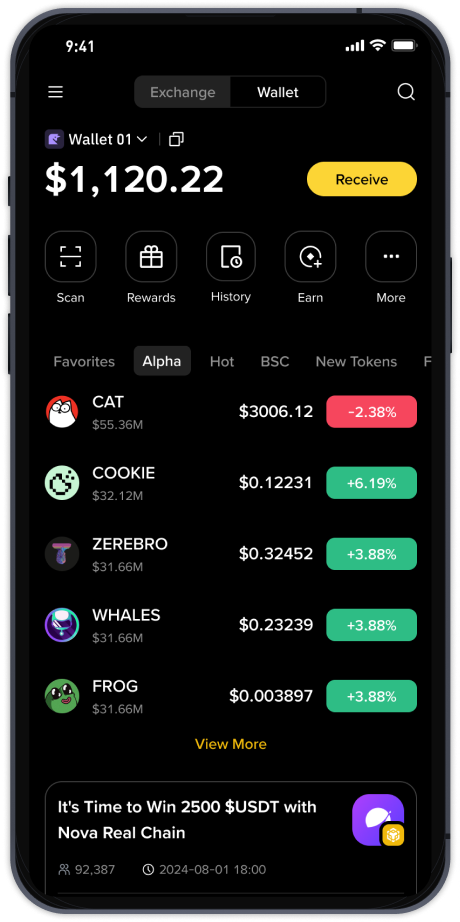
When Will DSCP Token List on Binance? Full Guide on How to Use DSCP Token

As the blockchain ecosystem continues to evolve, many investors and crypto enthusiasts are closely watching the progress of emerging tokens. One such token that has recently attracted attention is the DSCP token. In this article, we will explore two key topics: the potential timeline for the DSCP token to be listed on Binance, one of the world's largest cryptocurrency exchanges, and a complete guide on how to use the DSCP token effectively.
To date, the DSCP token is not yet listed on Binance. The exact date of its potential listing remains speculative and depends on multiple factors. Typically, for a token to be listed on Binance, it must first meet the exchange's strict criteria, including high trading volume, strong community support, clear tokenomics, and a trustworthy development team. Binance also frequently requires projects to go through a due diligence process and a public announcement phase. While the project behind DSCP, often associated with decentralized data storage or content sharing protocols, has shown promising technical development, there has been no official confirmation from Binance regarding a listing date. However, speculators often track such news through Binance's official announcements, the project's social media channels, and reputable crypto news outlets. Some estimates suggest that if the project continues to gain traction and completes required technical audits, a listing could be possible within the next few months, though this is not guaranteed.
Beyond the listing speculation, understanding how to use the DSCP token is crucial for anyone looking to interact with its ecosystem. The DSCP token is designed primarily for use within a decentralized storage or content sharing network. If you hold DSCP tokens, you can use them for several key purposes: 1) Paying for Storage or Data Services: In the DSCP ecosystem, users typically pay for storing or retrieving data using the token. This creates a frictionless transaction system where each service is priced in DSCP. 2) Staking for Rewards: Many decentralized protocols allow holders to stake their tokens to secure the network or earn rewards. DSCP may enable staking, where participants lock their tokens to earn additional tokens or shares of network revenue. 3) Accessing Premium Features: Some platforms integrate DSCP as a gating mechanism to access advanced tools, faster speeds, or exclusive content within the ecosystem. 4) Swapping or Trading on Decentralized Exchanges (DEXs): Until a centralized exchange listing occurs, users can often use DEXs like Uniswap or PancakeSwap to trade DSCP tokens. You will need to connect a Web3 wallet (e.g., MetaMask, Trust Wallet) to the appropriate blockchain network – usually Ethereum or a compatible Layer 2 – and swap other tokens for DSCP. 5) Participating in Governance: In some setups, DSCP holders can vote on protocol changes, ensuring the community has a voice in the project's direction.
It is important to note that before using DSCP, you must have a compatible wallet and a small amount of the native coin (such as ETH or BNB) to cover transaction fees. Always ensure you are using the official contract address for DSCP to avoid scams. Additionally, while Binance offers high liquidity and security, the absence of a listing there does not make the token inherently bad; it simply means you must trade it on alternative platforms for the time being. To stay updated, follow the official DSCP project website and Binance's listing announcements. Use technical analysis and community feedback wisely, and consider diversifying your crypto portfolio. As the landscape of crypto evolves, the journey of DSCP from a niche token to a potential Binance listing represents an interesting case study of how new digital assets seek mainstream adoption.