How to Use Binance Exchange: A Beginner's Guide to Registration, Trading, and Security

Binance is one of the world’s largest and most widely used cryptocurrency exchanges. Founded in 2017 by Changpeng Zhao, the platform quickly grew to support hundreds of digital assets, including Bitcoin, Ethereum, and numerous altcoins. It offers spot trading, futures, staking, and even a built-in wallet. For users asking "What exchange is Binance and how do I operate it?", the answer begins with understanding its core functions and the steps to get started.
First, you need to create a Binance account. Visit the official Binance website or download the mobile app. Click “Register” and enter your email address or phone number. You will receive a verification code. After entering it, set a strong password. Binance also requires identity verification (KYC) for higher withdrawal limits and full access to trading features. This involves uploading a government-issued ID and a selfie. Once verified, you can deposit funds.
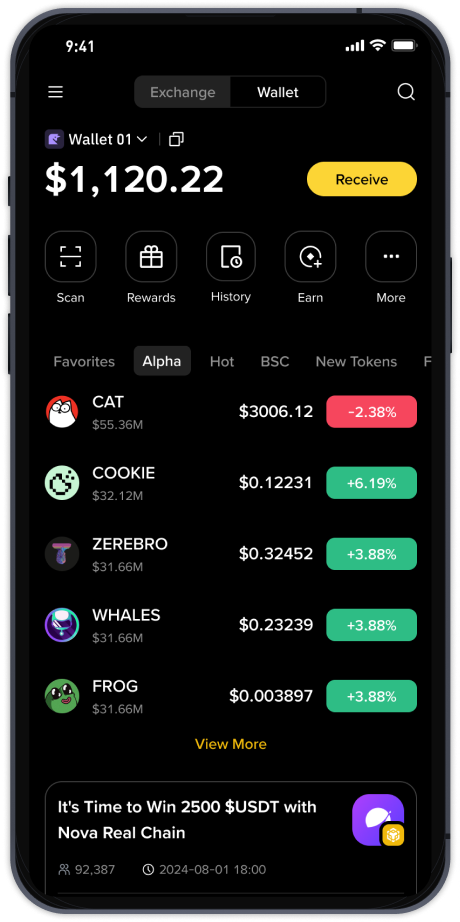
Depositing cryptocurrency is straightforward. On the Binance dashboard, find “Wallet” and then “Deposit”. Select the cryptocurrency you want to transfer. A deposit address will appear. Copy this address and paste it into the withdrawal platform of your external wallet or another exchange. Wait for network confirmations. If you want to deposit fiat money (like USD or EUR), go to “Buy Crypto” and choose your preferred payment method, such as bank transfer or credit card. Binance charges a small fee for fiat deposits.
After funding your account, you can start trading. The most basic operation is the “Spot” trading pair. For example, if you want to buy Bitcoin using USDT, find the BTC/USDT pair. The interface shows a price chart, order book, and trading form. You can place a “Market” order (buy instantly at current price) or a “Limit” order (set a specific price for purchase). Enter the amount, review the details, and click “Buy BTC”. Your purchased crypto will appear in your Spot Wallet.
Security is critical when using Binance. Enable two-factor authentication (2FA) via Google Authenticator or SMS. This prevents unauthorized access even if your password is stolen. Also, consider using Binance’s “Whitelist” feature to restrict withdrawal addresses. Avoid clicking on phishing links, and always double-check the website URL. Binance also offers SAFU (Secure Asset Fund for Users), an insurance fund that protects user assets in extreme cases.
Beyond basic trading, Binance provides advanced tools. You can explore “Futures” trading for leveraged positions, though this carries high risk. “Staking” allows you to earn interest on your crypto holdings simply by holding them in your wallet. The “Launchpad” lets users participate in new token sales. For beginners, it is wise to start with spot trading on low-volatility pairs until you understand market movements.
In summary, Binance is a comprehensive exchange that supports both beginners and professional traders. To operate it, register, verify your identity, deposit funds, and use the spot market. Always prioritize security. For more detailed guidance, Binance has an extensive help center and academy. Remember to start small and never invest more than you can afford to lose. As the cryptocurrency space evolves, Binance continues to add features, making it a central hub for digital asset management.