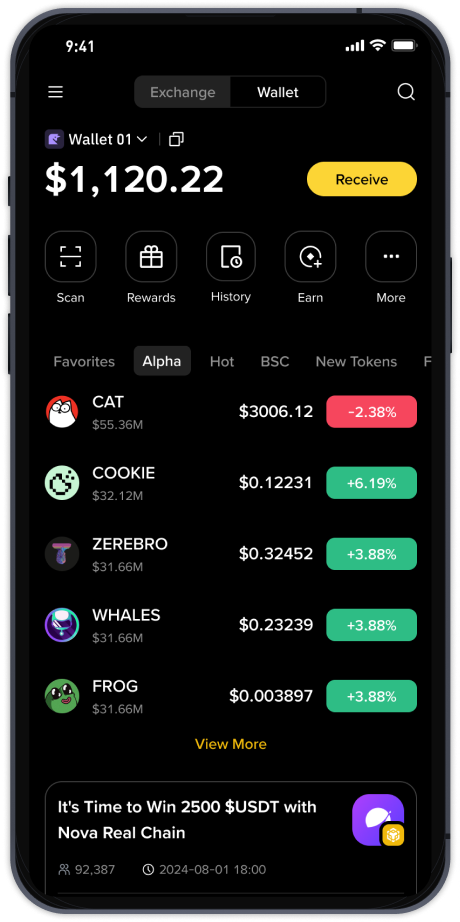
How to Operate Binance Beta Version: A Step-by-Step Guide for New Users

The Binance beta version, often referred to as the testnet or beta platform, allows users to explore trading features, test strategies, and familiarize themselves with the exchange interface without risking real funds. Operating the beta version effectively requires a clear understanding of its environment, which mimics the live market but uses fake assets. To begin, you must first access the official Binance testnet portal. Unlike the main exchange, the beta version is not available directly from the standard Binance sign-in page. Instead, you need to search for "Binance Testnet" or navigate to the dedicated testnet subdomain. Once there, you will need to register a separate account specifically for the beta environment. This account is entirely independent from your live Binance account, meaning your real assets and personal data remain unaffected.
After creating your beta account, the next critical step is funding it with test tokens. Binance provides a built-in faucet or request button that automatically sends fake BTC, ETH, BNB, and USDT to your test wallet. You can request funds multiple times, but there is usually a daily limit. With these test assets in your wallet, you can proceed to practice spot trading, margin trading, or futures trading—depending on the features enabled in that specific beta version. The interface largely mirrors the live platform, so you can learn how to set limit orders, market orders, and stop-loss orders. You can also test API connections if you are a developer, using the beta keys provided by the testnet. This is particularly useful for debugging trading bots or custom scripts without financial risk.
When operating the Binance beta version, pay close attention to the differences between the testnet and the live market. For example, the order matching speed may vary, and liquidity is often lower in the beta environment. This means your test orders might not fill immediately, or the price slippage may be higher than expected. To get the most accurate feel for real trading, try to simulate realistic trade sizes and timing. Additionally, many beta versions also include upcoming features that have not yet been released on the main platform, such as new token pairs, updated charting tools, or revised fee structures. By exploring these ahead of time, you can prepare for changes before they go live.
Security and data management are also important when using the beta version. While there is no risk of losing real money, you should still avoid using your main exchange password or sensitive personal information. The testnet is a sandbox environment, and its security protocols may not be as robust as the live platform. Furthermore, remember that all testnet activity is wiped periodically. Any balances, order history, or API keys created on the beta version will be deleted after a system reset or upgrade. Therefore, do not treat the beta version as a permanent backup or portfolio tracker. Use it strictly as a learning tool or testing ground.
Finally, to make the most of the Binance beta version, actively participate in community feedback if available. Binance sometimes runs surveys or bug-reporting campaigns for beta testers. By reporting issues or suggesting improvements, you can contribute to the platform’s development. In summary, operating the Binance beta version effectively involves registering a separate testnet account, requesting test funds, simulating real trading scenarios, monitoring feature updates, and maintaining good security hygiene. Whether you are a beginner wanting to learn trading without risk or an advanced user testing automated strategies, the beta version is an essential tool for mastering the Binance ecosystem.