Binance Cloud Exchange Review: Features, Security, and What You Need to Know

Binance Cloud Exchange has been gaining attention as a white-label solution for businesses looking to launch their own cryptocurrency exchange. But the question remains: how does it really perform? In this review, we will break down what Binance Cloud Exchange is, its key features, security measures, and whether it is a viable option for your trading or business needs.
First, it is important to understand that Binance Cloud Exchange is not a standalone exchange but a service provided by Binance. It allows partners to set up a branded exchange using Binance`s technology, liquidity, and security infrastructure. This means that while you may see different exchange names on the market, they could be powered by the same Binance Cloud backend. For traders, this often translates to deep liquidity, fast order matching, and access to a wide range of cryptocurrencies without the usual complexity of building an exchange from scratch.
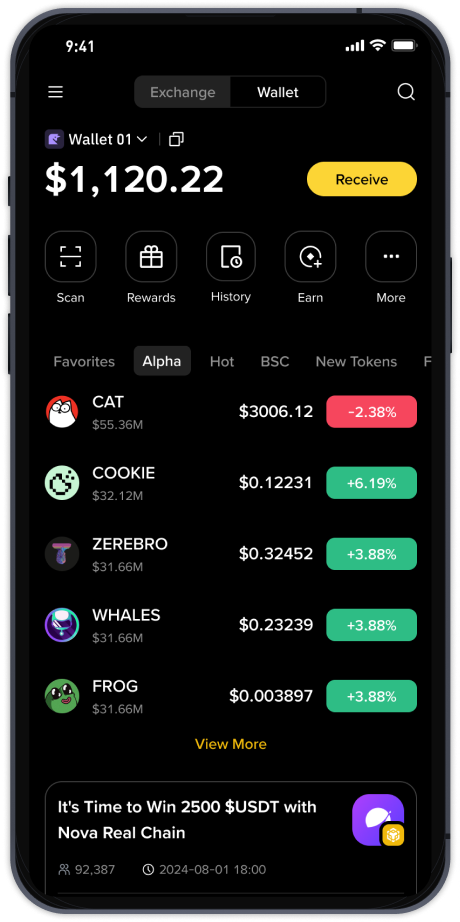
From a user perspective, the overall experience on a Binance Cloud-based exchange is similar to using Binance itself. The interface is clean, intuitive, and supports both spot and futures trading. Depending on how the partner configures the platform, you may also find features like staking, margin trading, and various order types. One common advantage is the high level of liquidity, as Binance Cloud taps directly into Binance’s order books. This means that even less popular trading pairs usually have sufficient volume for seamless execution.
When it comes to security, Binance Cloud inherits many of the protective measures from Binance’s core system. This includes multi-tier and multi-cluster system architecture, real-time risk monitoring, and cold wallet storage for the majority of user funds. Additionally, Binance Cloud partners are often required to implement Know Your Customer (KYC) procedures, adding an extra layer of compliance and safety. However, it is worth noting that the overall security of a specific cloud exchange also depends on how the partner manages its own operations, including user data protection and customer support.
One potential drawback is that Binance Cloud exchanges sometimes have lower regulatory transparency than Binance itself. Since each partner operates independently, the level of regulatory compliance may vary by jurisdiction. Users should always verify that the specific exchange they are using complies with local laws. Also, while the technology is robust, customer support for issues like account recovery or technical problems may be handled by the partner exchange, not Binance directly. This can lead to slower response times in some cases.
Another aspect to consider is the fee structure. Binance Cloud exchanges generally follow a similar fee schedule to Binance, but partners may add their own spreads or withdrawal fees. It is a good idea to check the fee page of any cloud exchange before trading heavily. On the positive side, the integration with Binance often means that you can sometimes transfer assets between the cloud exchange and Binance with lower costs, depending on the partner’s setup.
In conclusion, Binance Cloud Exchange offers a powerful infrastructure for launching a competitive trading platform. For users, it provides a familiar and liquid trading environment with strong security fundamentals. However, the experience can vary from one partner to another, especially in terms of regulation and customer support. If you are considering using a Binance Cloud-based exchange, take the time to research the specific platform, read user reviews, and verify its compliance status before committing large amounts of funds. Overall, when managed properly, Binance Cloud Exchange can be a solid and reliable option in the crypto trading landscape.